My Blog List

Showing posts with label blanket flower. Show all posts

Friday, May 3, 2024

MY DESERT GARDEN COMES TO LIFE

Spring is a wonderful time for all gardeners but particularly so for desert gardeners. It is the season of spectacular bloom brought on by winter rains. I have taken advantage of that by adding many blooming plants to my garden to complement the cactus and succulents. Some are perennial and some are annuals like this scarlet flax Linum grandiflorum rubrum. Annuals like to seed themselves along the edge of the paths where they driven by rain. Not always the best place.

Flax are dotted all over the front garden among rocks and cactus. I have always favored growing from seed and finally had success with damianita, Chrysactinia mexicana. This one I grew from seed planted 2 years ago. If I'm not careful it will be crowded out by these penstemon seedlings and a desert marigold. Despite the enormous numbers of seed they produce I have only ever found one growing naturally in my garden. No doubt the fault of the hungry quail who frequent the garden.

Damianita, blackfoot daisy and skullcaps are perfect low-growing perennials for the desert rock garden although not easy to come by. I did manage to find 2 purple skullcaps but unless they are in bloom they are sometimes miss-labeled and turn out to be the more common pink variety. Despite the many flowers and seeds produced it is very difficult to get these three to self-seed.


I'm trying to maintain a good balance of flowers and succulents for the quieter time of year when the cactus are center stage.

The damianita will  need to be sheared back soon so they can bloom again when and if the monsoon rains come. 


Just coming into bloom is the chocolate daisy, Berlandiera lyrata. I bought one plant 2 years ago and have been able to grow several more plants from seed over the winter. It has always performed well throughout the year opening new flowers every day. It is a morning bloomer, closing its petals by noon. It's chocolaty fragrance cannot be missed when walking around the garden. 

 This is one of three hedgehog cactus, Echinocereus triglochidiatus, I inherited,  which has bloomed successfully each year.  Their location is not ideal as they receive sun only in the later parts of the day. A place in a more open spot would probably result in a more spectacular bloom. I have allowed this native cudweed to remain. I love its silvery soft leaves which are the closest we would get to growing lambs ears in the desert. Some call it pearly everlasting as the flowers do well when cut and dried. 

My desert marigold,  Baileya multiradiata, has become so successful that it threatens to overgrow the driveway. I think it must be getting too much water. It reseeds quite readily where the layers of rock are not too deep or too large.

Spring is a very yellow time of year in the desert and I think I may just have a little too much of it. Between the brittle bush, damianita and the desert marigold I need to find a happier balance. Brittle bush is a wonderful desert plant which also reseeds heavily. I think it is underused as a native plant filling the roadsides with its yellow and dusky sage colored leaves. 


Seeds of blanket flowers grown from seed last year have been immensely successful. They are acting as though they are perennial. Last year they bloomed all summer long. You couldn't ask more of a plant in this desert climate.

 And there are frequent pop-ups in the spring of native wildflowers like the verbenas.

                                                         Verbena gooddingii

                                                              Moss verbena, Verbena tenuisecta

 The mix of colorful annual, perennials, cactus and succulents is a joy to behold on my early morning stroll around the garden. And it is always early.  Spring and summer in the Sonoran desert is a time to get up early to enjoy the cool mornings. The sun rises early and we must make the most of the best part of the day. Now we are in our dry summer with no rains expected until the monsoons arrive in July. Fingers crossed we will get good rains this summer.

Thursday, June 17, 2021

OUR WILDFLOWER MEADOW

I don't even have enough time to deal with everything in my inside gardens and outside gardens without venturing onto the septic field. But about 4 years go I decided I really wanted to have that wildflower meadow I should have had 21 years ago. That was when I bought a Texas wildflower and grass meadow mix from Native American seed. It was to go in the tank when they sprayed the cover on the septic field. When I came over the next day there sat the 2 bags by the garage, unopened. There was nothing in their spray tank but left over Bermuda which is what began to take hold within weeks. We tried to get rid of it and then put down our seed but it was to no avail. Weeds came and in the end David just decided to mow. It looked fine. Still I had that hankering to have the meadow. Five years ago David began mowing and collecting, the idea being to reduce the fertility of the soil. No more mulch mowing. I scattered left over bluebonnet seeds from the garden as well as blanket flowers. 


Bluebonnets are now gone, but a year ago native bee balm, Monarda citriodora,  started to grow and has really increased in numbers this year. I am so happy to have the purple one because at the top of the lot, near the road there are some white ones. This is hands dwon my favorite after the bluebonnet whihc is good because they don't share the same season.

And they are not called bee balm for nothing.


While I control the pink evening primrose, Oenothera speciosa, in my inside gardens, I am more than happy for it to spread outside.

 And prairie verbena, Glandularia bipinnatifida,  is a welcome plant.

Coreopsis, Coreopsis tinctoria, has started to bloom. Small plants at the moment but I am hoping next year their see will spread just as it does along the roadsides.

And this rather unusual one has popped up.

Tall vervain

Surprisingly the blanket flowers, Gaillardia grandiflora,  struggle to survive as the they seem to be a favorite of the deer.

The first year we made a path alongside the septic field we had an amazing showing of Mexican hats, Ratibida columnifera. They were all different shades of yellow and brown. Some solid some mixed colors. Maybe the conditions were just perfect, never to be repeated. But one or two this year. All the yellow variety. 

Horse herb or straggler daisy, Calyptocarpus vialis, soveres much of the shady area of the field but is nmaking headroads into the center. Maybe due to long days of rain and cloud. I think it will go dormant now we are well into summer temperatures. 

And it is no surprise that our native lantana, Lantana urticoides. I will be watching out for the pink variety  Lantana camara, which is invasive. 

This year finds me very happy about how the wildflower meadow is coming along. And we haven't had to mow yet. That will be done in the fall.

Saturday, January 23, 2021

MY GARDEN HAS INSOMNIA

When I lived in Eastern Canada gardeners were well assured of having a respite during the winter. It was a time when browsing through seed catalogues and placing an order was the highlight of winter gardening. Seed starting came next, geared towards being able to plant frost sensitive flowers and vegetables outside by May 24th. The garden slumbered under a thick layer of snow.

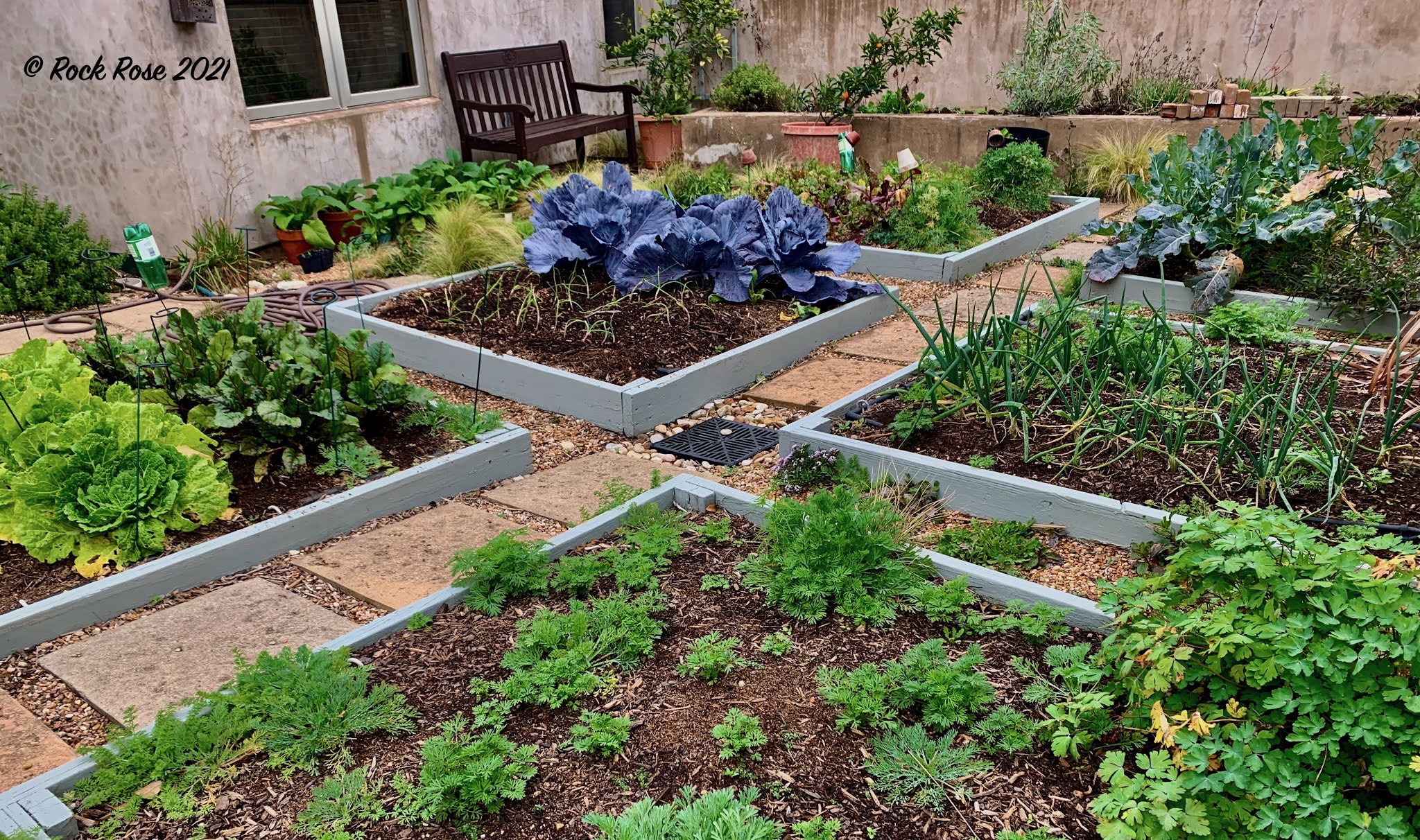
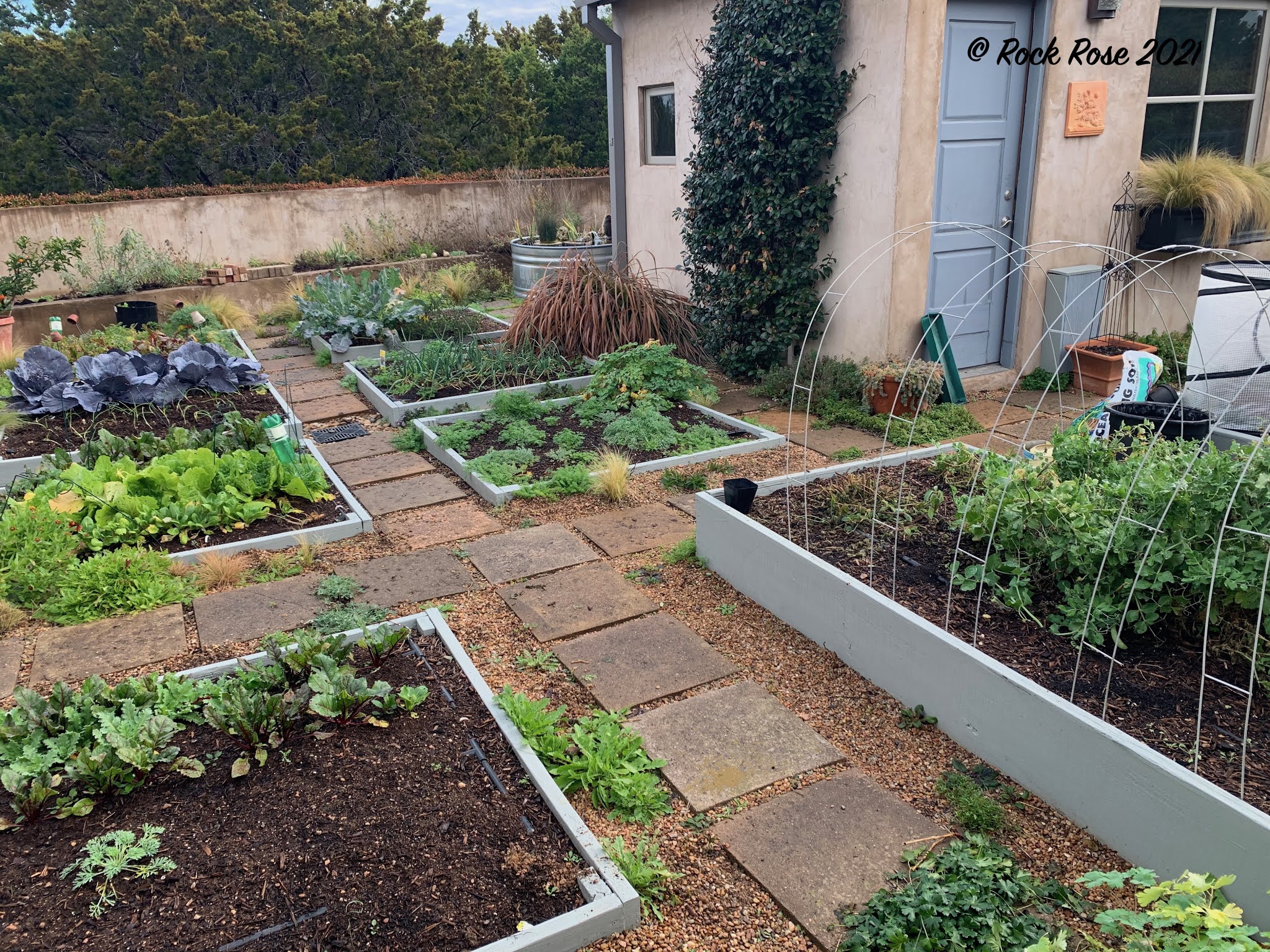
Now here I am in Texas with its unpredictable climate and often mild winters. Because I knew there was to be no winter travel this year it gave me the opportunity to be more diligent about planting a winter vegetable garden. It has been a great success.


We have had an unusually mild fall, although frost has made an appearance on several occasions necessitating the covering of my peas.  I was  determined to keep them going in order to get an early spring crop, but because of mild weather was rewarded with a winter crop. 


We have already devoured two crops of broccoli, pak choi and a succession of chard and kale not to mention peas, carrots and beets. All these plants are contained in beds in my vegetable garden. Even so there are many intruders in those beds chiefly larkspur, California poppies and the most successful seeder of all Love-in-a-mist. Known as hardy annuals this is their time to germinate, growing over the winter in time to flower in the early spring. I regret I have allowed them to take over. 


Those spaces between the pavers create an ideal spot in which seeds from last years flowers settle and particularly with Love-in-a-mist it seems every one germinates.  

And they found an even better home in the vegetable beds among the cilantro.

And poppies too.


And bluebonnets. Knowing how they can cover a diameter of 3' I may need to remove the one in the center of the path.

Every year I vow to keep those paths free of these opportunists and every year I relent which means even more will arrive every year. 

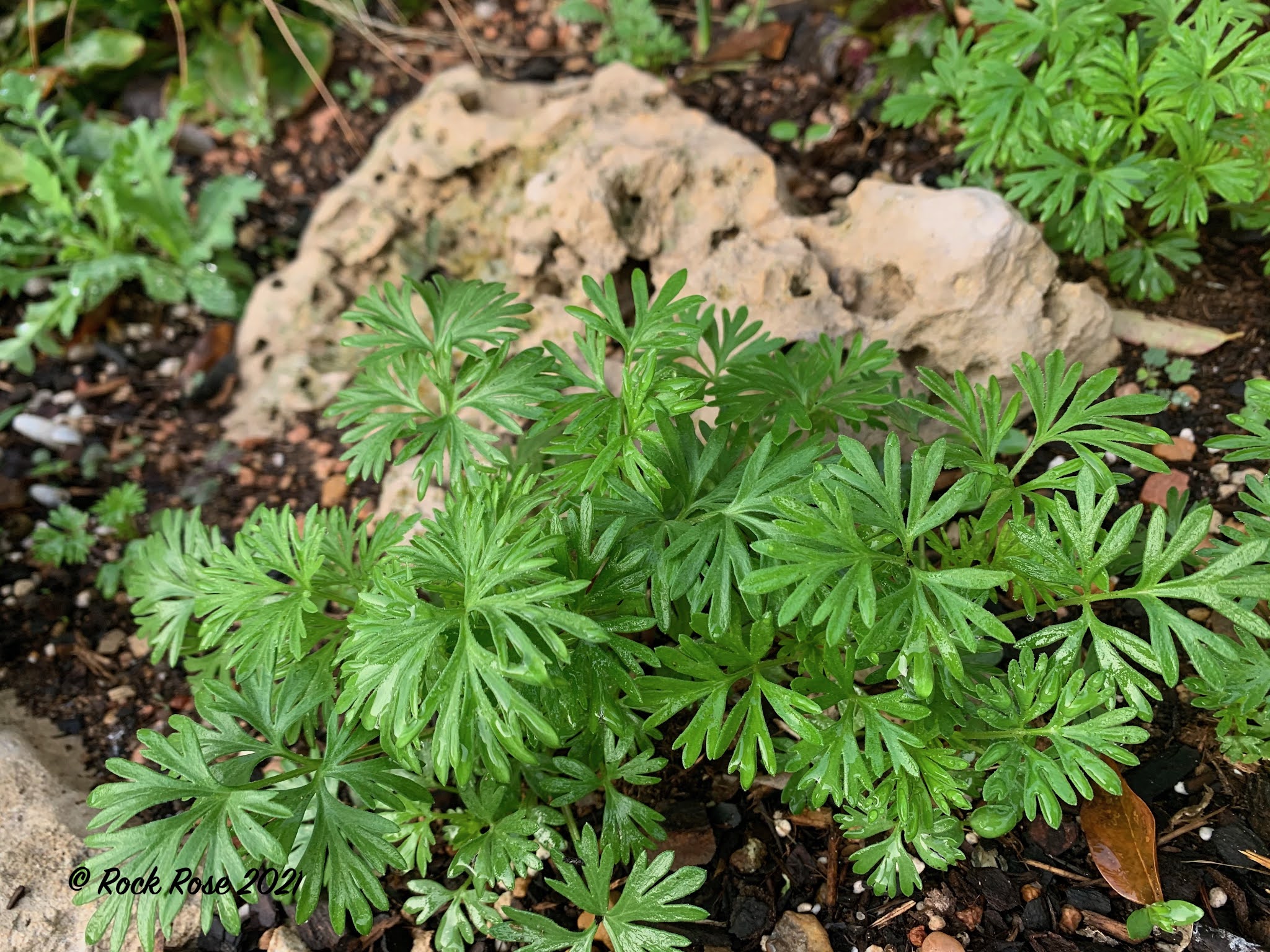
Blanket flowers, Gaillardia pulchella give me great difficulty. That is because they behave like perennials and these rather shop-worn plants are beginning to flower again. Soon they will have to go because they make a tripping hazard but I will leave them in case the bees come by looking for nectar or pollen. There are hundreds of seedlings just getting going.

It is my firm intention this year to reduce their numbers before they make it impossible to walk down the paths. 

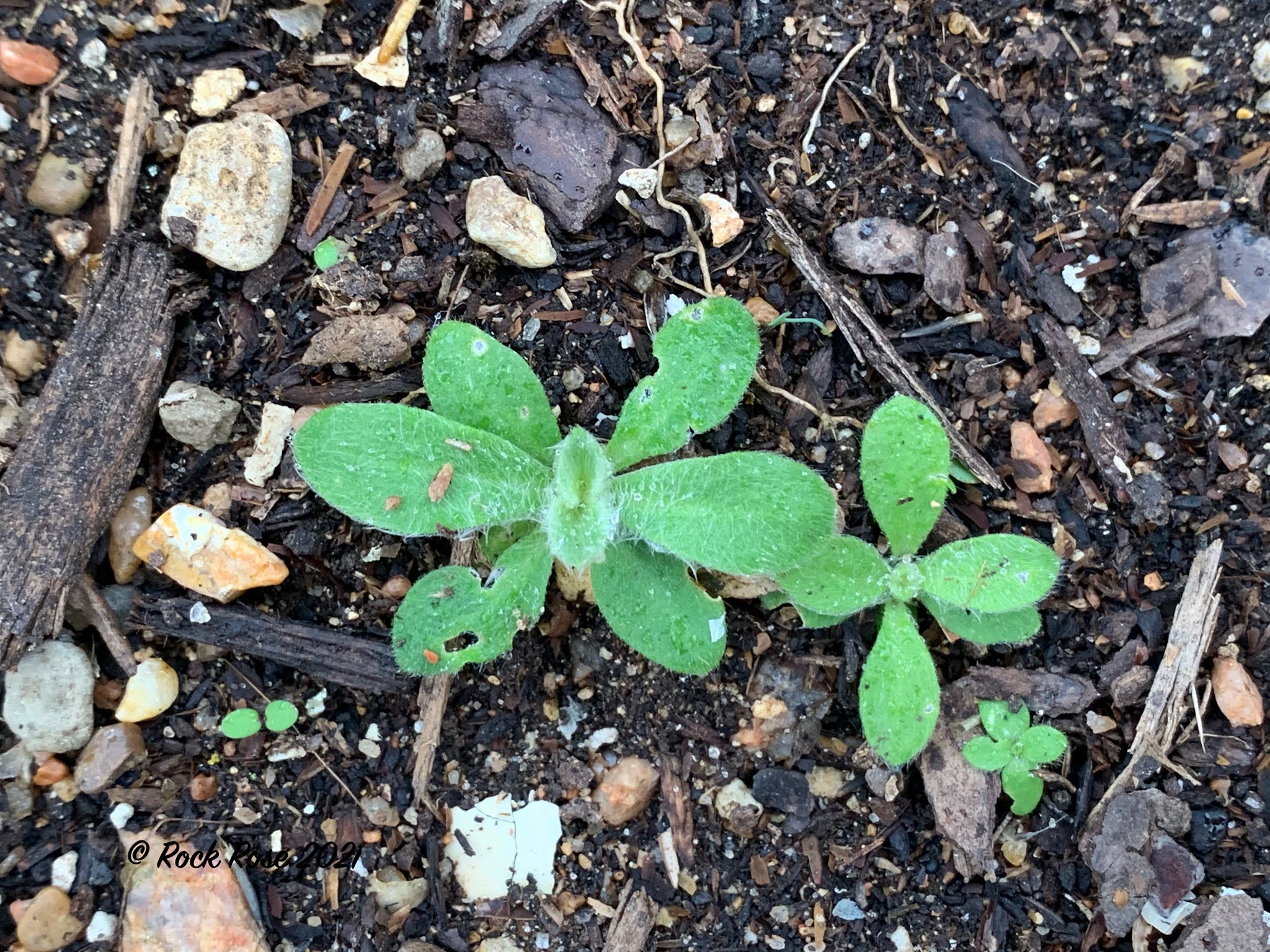
Some plants don't seed quite so prolifically  so I am happy to see a few rose campion, Lychnis coronaria, just beginning to develop. I plan to remove them from where they are growing at the edge of the path to a more prominent position.

 Those that are a little larger will have to stay. A happy trio of rose campion, Lychnis coronaria, Gulf coast penstemon Penstemon tennuis,  and alyssum, Lobularia maritima. They are in the herb garden and will stay there.

Verbena bonariensis by the hundreds! I have already shared many and have potted some up in case of a some weather mishap. Last year's plants are looking strong and healthy but there is much winter to come yet. 

 Larkspur seedlings in the sunken garden. A little thinning required. They won't grow as large as the ones in the beds because the soil is poor. The same being true of love-in-a-mist.

Here is a plant that hasn't slept in 2 years, Scabiosa. One of my favorites in the rock garden becaseu its foliage is never touched by insects.

Someone once said my weeds were a lot different from theirs. The fact is a weed remains something that is growing in the wrong place and I have plenty of those.


Thursday, August 27, 2020

CAN YOU TAKE ANOTHER WEEK OF TRIPLE DIGITS?

 It’s no surprise to Texas gardeners that we are in for another week of triple digit temperatures. They will likely be around for quite a while before we start to feel that little breath of cooler air in the mornings.  This morning I asked my garden if it can hang in there for a few more weeks. I am always amazed how refreshed the plants can look in the early morning hours. At the end of the day not so much. We really have to give the plants their due as so far we have had 23 triple digit days in August with nothing less than 93ยบ and still they soldier on.

 I am slowly removing the spent blanket flowers. When the goldfinches have had their fill I will be hoping they haven’t been too tidy with their eating habits. I’d like some for next year. At the same time I am culling some of the ruby crystal grasses Melinis nerviglumis, and the Mexican mint marigold, Tagetes lucida. The latter makes a lovely small bushy plant which blooms in the fall but it is a prolific re-seeder. I cut it back to the ground in the late winter.

 One thing about the sunken garden is it mostly plants itself. Not always in the right places of course and often a little too much of some plants than I need. For instance, zexmenia, Wedelia acapulcensis var. hispida. But as long as I am around to tend to the garden then the visual effect is to my liking. However hard I try the sunken area will not accept nursery grown plants.

 I have better success with adding plants to the upper level and this year I have plans to reduce the numbers of plants growing there. More blackfoot daisies, Melampodium leucanthum, like this one. I'm usually a 4" gardener but I chanced to buy a rather healthy 1gallon plant at the grocery store this spring and it took to its surroundings quite happily.  It is shaded a little by the fragrant white mistflower, Ageratina havanensis. It is my plan to remove the mistflower in the fall as it is far too big and crowding out some more valuable plants.

Backfoot daisies seed quite well in the English garden gravel but never look quite as healthy as the one above.

I should have given these ones a light trim several weeks ago but sometimes that is a risky thing in this heat. 

Tropicals just lap up the heat like these beautiful tree-shaped potted plumerias in the English garden. I am more than happy they are white but would love some of the colored ones. They have now reached the most perfect size but I have concerns about what to do with them this winter. I don't really want to start all over but even without pot, soil and leaves they weigh a ton.

In the right foreground the Philippine violet, Barleria cristata,  waits patiently for its time to bloom. The once single plant is now three separate plants and another one has seeded by the edge. Such a wonderful plant that seems to attracts no bugs or diseases. I am happy that there are at least 3 more that have seeded themselves around the garden. This one along the edge of the patio above the sunken garden. Fortunately they die to the ground in the winter or they would be monsters.

But like the Philippine violet I wait patiently for the the temperature to drop so that I can get out and work in the garden.

Thursday, August 20, 2020

DON’T BE SO TIDY IN THE GARDEN

"Don't be too tidy in the garden" I have heard these words spoken many times before by well known gardeners and horticulturalists. It gives me an excuse to be the gardener that I am. Someone who loves the cottage garden look and can never pull a plant out until it just screams to be gone. Even when a plant no longer looks at its best it may still provide a meal for something. 

These are the spent flowers of Verbena bonariensis. They have been blooming for weeks and a few tiny flowers still remain even through the plant has gone to seed.

Those tiny seeds, and they are almost microscopic, are the reason I am leaving the plant a while longer. Every evening we enjoy the antics of the American goldfinches as they swing and do their acrobatic tricks on the stems of the plants. Many of the long stems are bent double and nearly touching the ground but the finches are so light and agile that they manage to stay balanced on the stem as they pick off the seeds. 

Easier to manage are the seeds on the blanket flowers, Gaillardia pulchella, which are more than happy to grow anywhere they can find a foothold. 

Not looking their best after days of 100° but the finches are not interested in looks. They are interested in the ripe seed heads. Many of them are just picked clean. Fortunately for me they are somewhat untidy and leave plenty off seeds scattered around which will serve for next years crop of flowers. 

That common mullein wouldn't win any prizes. 

The soft fuzzy leaves that always looked so perfect earlier in the year are crispy brown at the bottom. Every evening the stalk is nothing but a brown stick. But every morning a few new flowers open and there is always a bee having its breakfast. Seeing those flower buds on the left makes me realize that it will be quite a few days before I can pull the plant out. 


Those same solitary bees are also busy on the purple skullcap, Scutellaria wrightii and the snapdragon vine, Maurandella antirrhiniflora.


The first time I saw this vine was in Pam Penick's old garden. It was climbing up the pole of a beautiful Dovecote. It was quite large flowered which might have been due to better sil conditions or being a cultivar. Either way my native one is a small flowered scrambling, rather unattractive vine which has scrambled up to almost take over the Carolina jessamine. But the bees are on there every evening so I feel reluctant to remove it. 

Lizards scurry around in the leaf litter and the Carolina wren is often rooting around in there too. Clearly here are some tasty morsels hiding in there. There will be plenty of time in late fall for doing a big tidy.

How about you. Are you a tidy gardener.